
Professional Upholstery Cleaning for Commercial Furniture
Expert upholstery cleaning services for office furniture, waiting room seating, restaurant booths, and commercial fabric surfaces throughout Dallas-Fort Worth. Our certified technicians use advanced cleaning methods to remove stains, odors, and allergens from upholstered items, refreshing their appearance and extending their useful life.
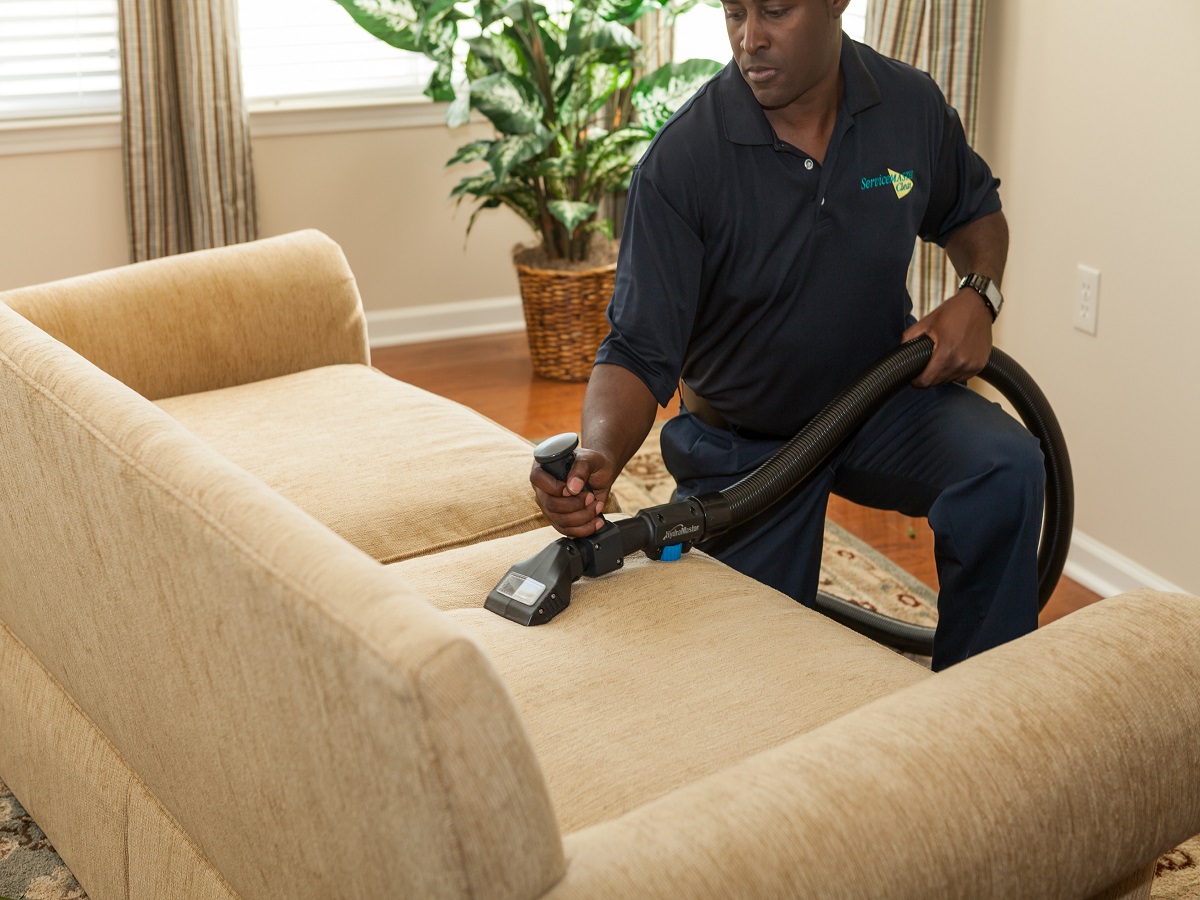
Service Features
Fabric Chair & Sofa Cleaning
Deep cleaning for office seating, reception area furniture, and fabric-upholstered pieces using hot water extraction or dry cleaning methods appropriate for each fabric type. We remove embedded soil, body oils, and daily grime that accumulate in commercial seating, restoring fresh appearance and comfort.
Waiting Room Seating Restoration
High-traffic waiting areas require frequent attention to maintain professional appearance. We clean and sanitize chairs, sofas, and benches in medical offices, dealerships, and public spaces. Our service addresses the heavy soiling common in seating that serves dozens of people daily.
Stain & Spot Treatment
Our technicians identify stain types and apply specialized treatments to remove coffee, ink, food, grease, and other common commercial stains. Different staining agents require specific chemistry for effective removal. We have solutions for most common upholstery stains and honest assessment when damage is permanent.
Odor Neutralization
Upholstery absorbs odors from body oils, food, smoke, pets, and environmental sources. Our deodorizing treatments penetrate fabric to eliminate odor molecules rather than masking smells with fragrances. Enzyme treatments break down organic odor sources for lasting freshness.
Leather Cleaning & Conditioning
Leather furniture requires specialized care to clean soil and body oils while preserving the material's natural properties. We use pH-balanced leather cleaners followed by conditioning treatments that restore moisture, prevent cracking, and protect against future soiling. This maintains leather's appearance and extends its lifespan.
Fabric Protector Application
Following cleaning, we can apply professional-grade fabric protectors that create an invisible barrier against spills and stains. These treatments don't change fabric feel or appearance but make cleanup of future accidents easier and prevent permanent staining. Protection is particularly valuable for high-use commercial furniture.
Benefits of Upholstery Cleaning
Extended Furniture Lifespan
Regular professional cleaning removes abrasive soil particles and body oils that degrade upholstery fibers over time. This maintenance prevents premature wear, fabric breakdown, and color fading. Properly maintained commercial upholstery can last 50% longer than neglected furniture, significantly reducing replacement costs.
Allergen & Dust Mite Removal
Upholstered furniture harbors dust mites, pollen, pet dander, and other allergens that affect indoor air quality and trigger respiratory symptoms. Hot water extraction at proper temperatures kills dust mites and removes allergen particles. This creates healthier environments for employees and visitors with allergies or asthma.
Elimination of Odors & Stains
Daily use creates odors and stains that detract from professional appearance and create negative impressions. Professional cleaning addresses both issues at their source, eliminating unpleasant smells and removing or minimizing visible staining. The result is furniture that looks, smells, and feels fresh and clean.
Improved Indoor Air Quality
Upholstery acts as a filter that traps airborne particles, releasing them back into the environment with use. Cleaning removes these trapped contaminants, improving overall indoor air quality. This is particularly important for healthcare facilities, offices, and any environment where air quality affects health and comfort.
Enhanced Professional Appearance
Clean, well-maintained furniture contributes to the overall impression of your business. Stained, worn seating suggests neglect and affects how customers perceive your organization. Regular upholstery cleaning maintains a consistently professional appearance that supports your brand image and customer confidence.
Cost Savings vs. Replacement
Professional upholstery cleaning costs a fraction of furniture replacement while delivering dramatic appearance improvement. Even heavily soiled furniture can often be restored to acceptable condition. This cost efficiency makes regular cleaning a smart financial decision that preserves capital for other business investments.
Our Upholstery Cleaning Process
Fabric Identification & Inspection
Our technician identifies upholstery fabric type, construction, and condition. We check cleaning code tags, test for colorfastness, and note any damage, wear, or areas requiring special attention. This assessment determines the appropriate cleaning method and solutions for safe, effective results.
Dry Soil Removal
Thorough vacuuming with commercial-grade equipment removes loose soil, dust, and debris from fabric surfaces and crevices. This preparation prevents mud formation when cleaning solutions are applied and ensures cleaning agents can penetrate to the soil that requires removal.
Pre-Treatment Application
Pre-spray solutions appropriate for the fabric type and soil conditions are applied to break down oils and loosen embedded dirt. Heavy traffic areas and spots receive additional treatment. The pre-spray dwells to penetrate and suspend soils for more effective extraction.
Spot & Stain Treatment
Individual stains are treated with specialized spotters selected based on stain chemistry. Protein stains, tannin stains, oil-based stains, and dye stains each receive appropriate treatment. We work to remove spots without damaging fabric or creating rings that can be more noticeable than the original stain.
Deep Cleaning Extraction
Hot water extraction or dry cleaning methods appropriate for the fabric type thoroughly clean upholstery. Heated cleaning solution penetrates fibers, suspends soil, and is immediately extracted along with contaminants. This rinse-and-extract process leaves upholstery clean and fresh with minimal moisture residue.
Grooming & Drying
Fabric pile is groomed to restore appearance and speed drying. Air movers may be positioned to accelerate drying time, typically 2-6 hours depending on fabric type and cleaning method. Protector application, if requested, follows drying. We provide care instructions for maintaining results.
Understanding Commercial Upholstery Fabrics and Care Requirements
The Science of Upholstery Soil and Cleaning
Upholstery Maintenance for Different Commercial Environments
Protecting Your Upholstery Investment
Frequently Asked Questions
How often should commercial upholstery be professionally cleaned?
Frequency depends on usage level and environment. High-traffic waiting areas and daily-use office seating typically need cleaning every 6-12 months. Conference room furniture may only need annual service. Restaurant seating with food exposure often requires quarterly cleaning. Facilities with specific requirements like healthcare or concerns about allergies may benefit from more frequent service. We assess your specific situation and recommend an appropriate schedule.
How long does upholstery take to dry after cleaning?
Drying time varies based on fabric type, cleaning method, humidity, and air circulation. Most commercial upholstery cleaned with hot water extraction dries within 2-6 hours. Natural fibers and dense fabrics may require longer drying times. We use air movers to speed drying and can recommend low-moisture cleaning methods for situations requiring faster turnaround. Upholstery can typically be returned to use the same day or next day after morning service.
Can you remove all stains from upholstery?
While we successfully remove most stains, some permanent damage cannot be corrected. Factors affecting stain removal include the type of staining substance, how long it has been present, previous cleaning attempts, fabric type, and whether protector was applied. Some dyes and bleaches permanently damage fabric. We provide honest assessment of what can be achieved and work to improve appearance even when complete removal isn't possible.
Is professional upholstery cleaning safe for all fabric types?
Most commercial upholstery fabrics can be safely cleaned by trained professionals who properly identify fabric types and select appropriate methods. We clean synthetic fabrics like polyester and nylon, natural fibers like cotton and wool, blends, and delicate fabrics using methods matched to material requirements. Some very delicate or antique fabrics may require specialized dry cleaning. We assess each piece and select safe, effective cleaning approaches.
Does upholstery cleaning help with allergies?
Yes, professional upholstery cleaning significantly reduces allergens in furniture. Dust mites, a major indoor allergen, are killed by hot water extraction at temperatures above 130°F. Pollen, pet dander, and other allergens are removed by thorough extraction cleaning. For facilities with allergy concerns, we can use HEPA filtration and allergen-reducing treatments. Regular cleaning maintains lower allergen levels between services.
Should I have fabric protector applied after cleaning?
Fabric protector is highly recommended for commercial upholstery. It creates an invisible barrier that causes spills to bead on the surface rather than immediately penetrating fibers, giving you time to blot up accidents before staining occurs. Protection makes ongoing maintenance easier and extends the time before furniture again requires deep cleaning. The investment in protector is typically recovered through extended furniture life and reduced cleaning frequency.
Related Services
Carpet Cleaning
Deep carpet cleaning for offices and commercial spaces using hot water extraction methods.
Furniture Disinfection
Hospital-grade disinfection for desks, chairs, and office furniture to eliminate germs.
Common Area Cleaning
Regular sanitization for break rooms, lobbies, and shared office spaces.
Ready to Experience the Difference?
Contact us today for a free consultation and customized quote for upholstery cleaning.