Industrial Cleaning for Warehouses & Distribution Centers
Comprehensive dust and debris removal services for warehouses, distribution centers, manufacturing facilities, and industrial properties throughout Dallas-Fort Worth. Our specialized equipment and trained teams handle high dusting, debris cleanup, and detailed cleaning to maintain safe, efficient operations and OSHA-compliant work environments.
Service Features
High Dusting & Rafter Cleaning
Dust accumulation on ceiling structures, rafters, beams, conduit, and HVAC ductwork creates fire hazards and compromises air quality. Our specialized lift equipment and high-reach tools safely remove dust from elevations up to 40+ feet, addressing areas that routine cleaning cannot reach and reducing fire load in your facility.
Floor Sweeping & Debris Removal
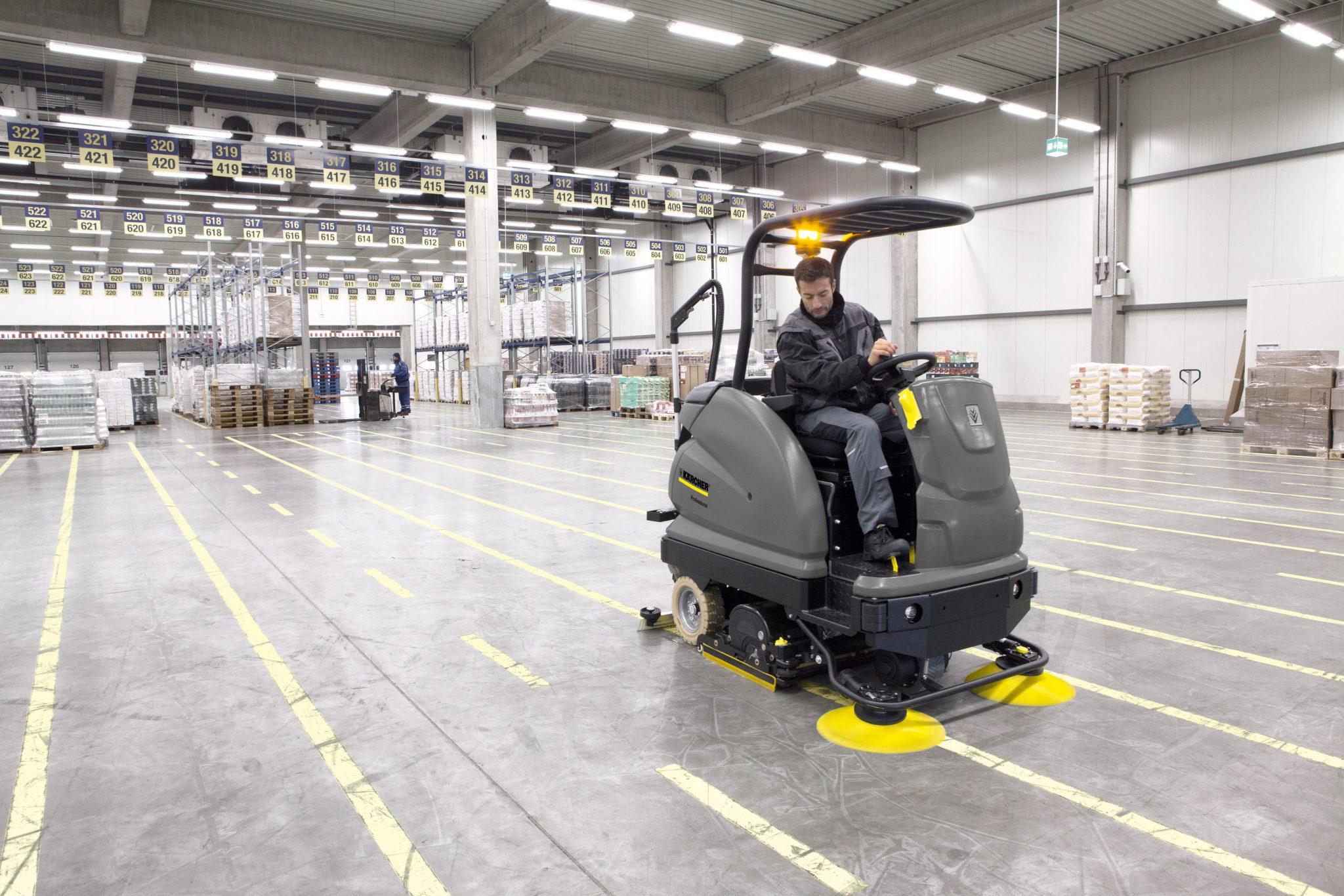
Industrial floor sweepers and scrubbers efficiently clean large warehouse areas, removing dust, dirt, packaging debris, and production residue. Our equipment handles both smooth concrete and rough industrial floors, collecting debris for proper disposal and leaving floors clean and safe for forklift and foot traffic.
Rack & Shelving Cleaning
Storage racks, shelving units, and mezzanines accumulate significant dust that contaminates inventory and creates housekeeping issues. We clean these structures from top to bottom, removing dust and debris while working around your stored products. This service protects inventory quality and maintains organized appearance.
Loading Dock Cleaning
Loading docks face heavy soiling from truck traffic, weather exposure, and material handling. We clean dock plates, levelers, pits, doors, and surrounding areas to remove grease, dirt, and debris. Clean docks improve safety, reduce equipment maintenance, and create positive impressions for visiting drivers and customers.
Office & Break Room Maintenance
Warehouse administrative areas, break rooms, and restrooms require the same attention as the industrial areas. We provide complete cleaning services for these spaces including dusting, floor care, restroom sanitation, and kitchen cleaning. This ensures consistent standards throughout your entire facility.
Industrial Vacuum Services
High-powered industrial vacuums with HEPA filtration remove fine dust from floors, walls, equipment, and hard-to-reach areas. Specialized attachments access tight spaces around machinery and infrastructure. HEPA filtration captures respirable dust particles, improving air quality and protecting worker health.
Benefits of Warehouse Cleaning
Improved Workplace Safety
Accumulated dust creates slip hazards, respiratory risks, and fire dangers. Combustible dust is a leading cause of industrial fires and explosions. Professional cleaning removes these hazards, creating safer conditions for employees and reducing accident risks that lead to injuries, workers compensation claims, and regulatory citations.
Enhanced Equipment Performance & Life
Dust infiltration damages motors, controls, and mechanical components of warehouse equipment including forklifts, conveyor systems, and HVAC units. Regular cleaning reduces contamination that causes premature equipment failure and costly repairs. Clean environments support optimal equipment performance and extended service life.
Better Product Quality Protection
Dust settling on stored inventory can damage products, contaminate packaging, and create quality issues that lead to customer complaints or returns. This is particularly critical for food products, electronics, pharmaceuticals, and consumer goods. Regular cleaning protects inventory investment and maintains product integrity.
OSHA Compliance Support
OSHA housekeeping standards (29 CFR 1910.22) require clean, orderly, and sanitary workplaces. Poor housekeeping is among the most frequently cited OSHA violations. Professional cleaning services help maintain compliance with these requirements, reducing citation risk during inspections and supporting overall safety program effectiveness.
Increased Operational Efficiency
Clean, organized warehouses operate more efficiently. Clear aisles and clean floors support faster material movement and reduce forklift maneuvering time. Organized rack systems improve inventory access and picking productivity. Employees work more effectively in clean environments with fewer distractions from housekeeping issues.
Pest Prevention
Dust, debris, and food residue attract pests including rodents and insects that create contamination risks and potential regulatory issues. Professional cleaning removes attractants and harborage areas, supporting integrated pest management programs and reducing infestation risks that can disrupt operations and damage reputation.
Our Warehouse Cleaning Process
Facility Assessment & Planning
We evaluate your warehouse layout, operations, dust sources, and cleaning requirements. This includes identifying high-priority areas, determining appropriate equipment needs, and scheduling service to minimize operational disruption. We develop a cleaning plan tailored to your facility's specific conditions and priorities.
Safety Preparation & Setup
Our team establishes safety zones, posts warnings, and ensures proper ventilation before beginning work. Personal protective equipment including respirators, safety glasses, and protective clothing is donned. Equipment is inspected and positioned for safe operation in your industrial environment.
High Dusting & Overhead Cleaning
Using scissor lifts, boom lifts, extension poles, and specialized tools, we systematically clean ceiling structures, lighting, ductwork, and infrastructure from top to bottom. Dust is captured rather than dispersed using vacuum attachments and damp wiping methods. This top-down approach prevents recontamination of cleaned lower areas.
Rack & Storage Area Cleaning
Storage racks, shelving, and mezzanines are cleaned using vacuums, blowers, and wiping methods appropriate for the specific environment. We work carefully around stored inventory to avoid damage while removing dust accumulation. Product is protected during cleaning and returned to organized arrangement.
Floor Cleaning & Debris Removal
Industrial sweepers and scrubbers clean floor surfaces, collecting dust and debris for proper disposal. Heavy debris, packaging materials, and production waste are removed. Specialized equipment handles different floor types from smooth concrete to rough industrial surfaces. Edges, corners, and around equipment receive detailed attention.
Detail Cleaning & Final Inspection
Areas around machinery, loading docks, and facility perimeter receive detailed cleaning. We inspect the completed work to ensure all specified areas meet standards. Debris is properly disposed of according to waste regulations. The facility is returned to operational condition with improved cleanliness and safety.
The Hazards of Warehouse Dust Accumulation
Understanding Industrial Cleaning Equipment and Methods
Warehouse Cleaning for Different Industry Sectors
Integrating Professional Cleaning with Warehouse Operations
Frequently Asked Questions
How often should warehouses be professionally cleaned?
Frequency depends on facility type, operations, and environmental factors. High-volume distribution centers and manufacturing facilities often benefit from quarterly high dusting and monthly floor maintenance. Food warehouses and pharmaceutical facilities may require more frequent service for compliance. We assess your dust accumulation rate, operational needs, and regulatory requirements to recommend an appropriate cleaning schedule that maintains standards cost-effectively.
Can you clean while we continue operations?
Yes, we specialize in working within active warehouse environments. We coordinate with your operations team to clean in sections, work during off-shifts, or schedule around peak activity periods. Safety protocols ensure our work does not interfere with forklift traffic or employee activities. For high dusting and overhead work, we may need to temporarily restrict areas directly below for safety. We develop detailed plans that balance cleaning effectiveness with minimal operational impact.
Do you handle hazardous dust or materials?
We are equipped to handle many industrial dust types including general warehouse dust, food dust, and light manufacturing residue. For hazardous materials including silica, asbestos, lead, or chemical dusts, we evaluate the specific situation and may recommend specialized remediation contractors with appropriate certifications and equipment. Safety is paramount - we do not undertake work involving known hazardous materials without proper training, equipment, and regulatory compliance.
What equipment do you use for warehouse cleaning?
Our warehouse cleaning equipment includes industrial-grade ride-on sweepers for large floor areas, walk-behind scrubbers for detailed cleaning, high-reach lifts for overhead work, HEPA-filtered vacuums for dust collection, backpack vacuums for detail work, and specialized tools for rack and equipment cleaning. This equipment is selected for effectiveness in industrial environments and sized appropriately for different facility scales. All equipment is maintained for reliable performance and safe operation.
Can you help with OSHA compliance for housekeeping?
Yes, our services directly support OSHA housekeeping compliance under 29 CFR 1910.22, which requires clean and orderly workplaces. We can develop cleaning schedules and scopes that address specific compliance concerns, document services performed, and help demonstrate good faith efforts to maintain safe conditions. While professional cleaning is an important component, ultimate compliance responsibility remains with the employer, and our services are most effective when combined with your internal housekeeping practices.
What about cleaning around our inventory and equipment?
We understand that your inventory and equipment represent significant investments and operational necessities. Our technicians are trained to work carefully around stored products, machinery, and racking without causing damage or disruption. We can clean around stationary inventory or coordinate with your team to temporarily relocate items where necessary. For sensitive equipment, we use appropriate methods that clean effectively without risking damage to mechanical or electrical components. Your operations team can identify any special handling requirements during our initial assessment.
Related Services
Carpet Cleaning
Deep carpet cleaning for offices and commercial spaces using hot water extraction methods.
Floor Polishing
Professional floor polishing for retail spaces to restore shine and protect surfaces.
Post-Construction Cleanup
Complete cleaning after construction, renovation, and remodeling projects.
Common Area Cleaning
Regular sanitization for break rooms, lobbies, and shared office spaces.
Ready to Experience the Difference?
Contact us today for a free consultation and customized quote for warehouse cleaning.
services planning guide
How to plan warehouse dust debris removal for a commercial facility in Dallas
Commercial Cleaning Services of Dallas uses the following planning framework to help property managers and business owners turn a request for commercial cleaning and janitorial service into a scope that can be walked, priced, scheduled, and checked. It is designed for practical comparison and does not replace site-specific safety, material, vendor, or regulatory requirements.
Define the Work Before Pricing It
A walkthrough for warehouse dust debris removal is most productive when the decision-maker identifies the spaces that create complaints, the areas that carry the most traffic, and the tasks the current program misses. Those observations turn a generic checklist into a practical scope tied to the way the property is actually used. For multi-tenant or mixed-use properties, warehouse dust debris removal should be divided by responsibility zone. Common areas, tenant suites, back-of-house spaces, loading areas, public restrooms, and restricted rooms can then receive schedules and approval rules that match their actual use. Warehouse Dust Debris Removal should begin with a written definition of the rooms, surfaces, fixtures, equipment boundaries, and access conditions included in the work. A useful scope separates routine tasks from periodic restoration so the facility manager can see what happens on every visit and what occurs only on a planned cycle. Before pricing warehouse dust debris removal, document exclusions as carefully as inclusions. Exterior work, high access, consumable supplies, waste handling, specialty floor restoration, equipment interiors, and event cleanup can be scheduled correctly only when responsibility is explicit.
Build the Schedule Around Operations
Access planning is part of service planning. Keys, badges, alarm procedures, loading access, elevator reservations, escort rules, and locked-room approvals should be confirmed before the first warehouse dust debris removal visit so the crew can complete the full scope without improvising. Daytime and after-hours service solve different operational problems. Day porter coverage manages visible conditions while people are present; after-hours crews complete disruptive or time-intensive tasks when work areas can be accessed safely and thoroughly. A dependable plan includes a method for reporting schedule changes. The facility contact should know whom to notify, how much lead time is needed, and how missed or added visits affect the monthly program before an urgent request arises. Scheduling should be built around operating hours and risk, not around the cleaning company’s convenience. Some commercial facility environments need a complete after-hours reset, while others benefit from daytime attention to entrances, restrooms, spills, or high-traffic common areas.
Make Quality Control Observable
Consistent crew assignments improve warehouse dust debris removal because the team learns access routines, material sensitivities, recurring problem areas, and the expectations of the facility contact. Coverage plans are still necessary for absences so consistency does not depend on one individual. Before-and-after documentation is especially valuable for one-time or restorative warehouse dust debris removal. It establishes the starting condition, records the completed result, and helps the facility manager decide whether a recurring maintenance cycle would prevent the same buildup. A single complaint channel prevents service issues from disappearing between building occupants, property management, and the cleaning crew. Requests should be logged with the location, task, urgency, and desired completion time so the response can be verified. The account review should examine service requests, inspection findings, occupancy changes, supply use, and upcoming facility events. That review keeps the program aligned with the property instead of allowing an old scope to continue after the building changes.
Match Methods to Materials and Risk
Equipment should be selected for the facility rather than for convenience. HEPA filtration, low-moisture extraction, auto-scrubbing, water-fed poles, pressure equipment, or detail tools may be appropriate depending on access, surface, soil, and reopening time. Dwell time and physical removal are central to effective cleaning. A product cannot perform as intended if it is wiped away immediately, and loosened soil still needs to be removed with clean tools rather than redistributed across the surface. Consumable supplies deserve their own responsibility list. Soap, paper products, liners, dispensers, batteries, air fresheners, and specialty items may be client supplied, contractor supplied, or billed separately, but the agreement should not leave that question open. Surface identification matters because a process that works on one material can damage another. Before warehouse dust debris removal, confirm flooring, stone, coated metal, glass treatments, upholstery, painted surfaces, and manufacturer restrictions that affect chemistry or agitation.
Use the Walkthrough to Build the Scope
For larger properties, divide the walkthrough into zones and record the floor type, use, occupancy, and desired frequency for each. This produces a proposal that can be adjusted by zone without rewriting the entire program. The walkthrough should follow the facility’s traffic pattern from entrances through work areas, restrooms, support rooms, and exits. This reveals where soil enters, where it concentrates, and which tasks must be completed in a particular order. If the requested warehouse dust debris removal includes restorative work, identify the difference between a first-service reset and ongoing maintenance. Startup work may require additional labor that should not be hidden inside the recurring visit price. Access and safety constraints should be demonstrated, not merely mentioned. Alarm panels, loading doors, restricted areas, waste points, water access, electrical access, and equipment storage can change the labor plan materially.
Put the Service Agreement in Writing
Service-level expectations should be realistic and observable. A promise of “perfect cleaning” is less useful than response times, inspection routines, named completion outcomes, and an escalation process for repeated deficiencies. Pricing should state whether it is monthly, per visit, hourly, or project based and should identify the assumptions behind it. Changes in occupied square footage, frequency, access time, or task scope need an agreed method for repricing. Cancellation, renewal, and notice terms deserve the same attention as the cleaning checklist. A facility manager comparing proposals should understand the initial term, renewal method, price-review process, and the notice required to change or end service. A structured startup period gives both sides a chance to refine the scope. Early inspections and a scheduled review after the first few visits can resolve workload assumptions before they become embedded in a long-term program.
Plan for Dallas Facility Conditions
DFW traffic makes realistic arrival windows important, especially when a crew must meet security or elevator access at a fixed time. The plan should protect enough on-site time to complete the work rather than compressing the scope after a delayed handoff. Dallas facilities contend with long cooling seasons, tracked-in dust, pollen, severe-weather debris, and rapid development activity. Those conditions can influence entry cleaning, high dusting, floor care, glass maintenance, and the timing of periodic deep work. Commercial properties in the region frequently combine offices, warehouses, showrooms, food service, or public-facing areas under one address. Zoning the scope by use keeps the cleaning method appropriate for each part of the building. Fast regional growth creates frequent move-ins, renovations, tenant turnovers, and occupancy changes. The cleaning scope should be reviewed when a property changes use instead of assuming the previous tenant’s schedule remains appropriate.
Compare Providers on More Than Price
Ask each provider to explain staffing assumptions, visit length, supervision, equipment, and the process for covering absences. The answer reveals whether the proposal is an operating plan or simply a price attached to a task list. A pilot or structured startup can be useful when the facility is complex or the current condition is uncertain. Define what will be evaluated, how long the evaluation lasts, and what information determines the permanent scope. Consider the cost of under-scoping. Persistent complaints, damaged finishes, emergency restoration, staff time spent supervising the vendor, and repeated provider changes can cost more than a properly designed recurring program. Review the proposal for vague language. Terms such as “as needed,” “regularly,” and “periodically” should be converted into frequencies, triggers, or approval rules before the agreement is signed.
Start, Measure, and Adjust the Program
The first visit should not be treated as an ordinary maintenance visit when buildup already exists. Startup cleaning establishes a maintainable baseline and gives the crew a realistic view of the time required for future service. After the first service cycle, compare actual labor and facility condition with the proposal assumptions. If the original scope was inaccurate, adjust it openly rather than expecting quality to survive an unrealistic workload. Crew orientation should cover the approved scope, building access, material cautions, waste handling, supply storage, security, and the communication path for exceptions. Written information is more dependable than verbal instructions passed between shifts. Task sequencing affects results. High dusting should precede lower-surface cleaning, dry soil removal should precede wet work, and areas with restricted reopening times should be completed early enough to dry or ventilate.
Bring to the walkthrough
- Approximate square footage, floor plan, and operating hours
- Current frequency, known complaints, and priority areas
- Flooring and surface notes, restricted rooms, and access rules
- Desired start date, budget constraints, and approval contacts
Expect in a written proposal
- Task scope by zone and visit frequency
- Service windows, periodic work, and supply responsibility
- Quality checks, communication, and correction procedures
- Pricing assumptions, exclusions, and change-order rules