
Professional Commercial Carpet Cleaning for Dallas Businesses
Expert deep cleaning services for commercial carpets in offices, retail spaces, hotels, and industrial facilities throughout the Dallas-Fort Worth metroplex. Our certified technicians use advanced hot water extraction and low-moisture cleaning systems to remove embedded dirt, allergens, bacteria, and stubborn stains while extending the life of your carpet investment.
Service Features
Hot Water Extraction Cleaning
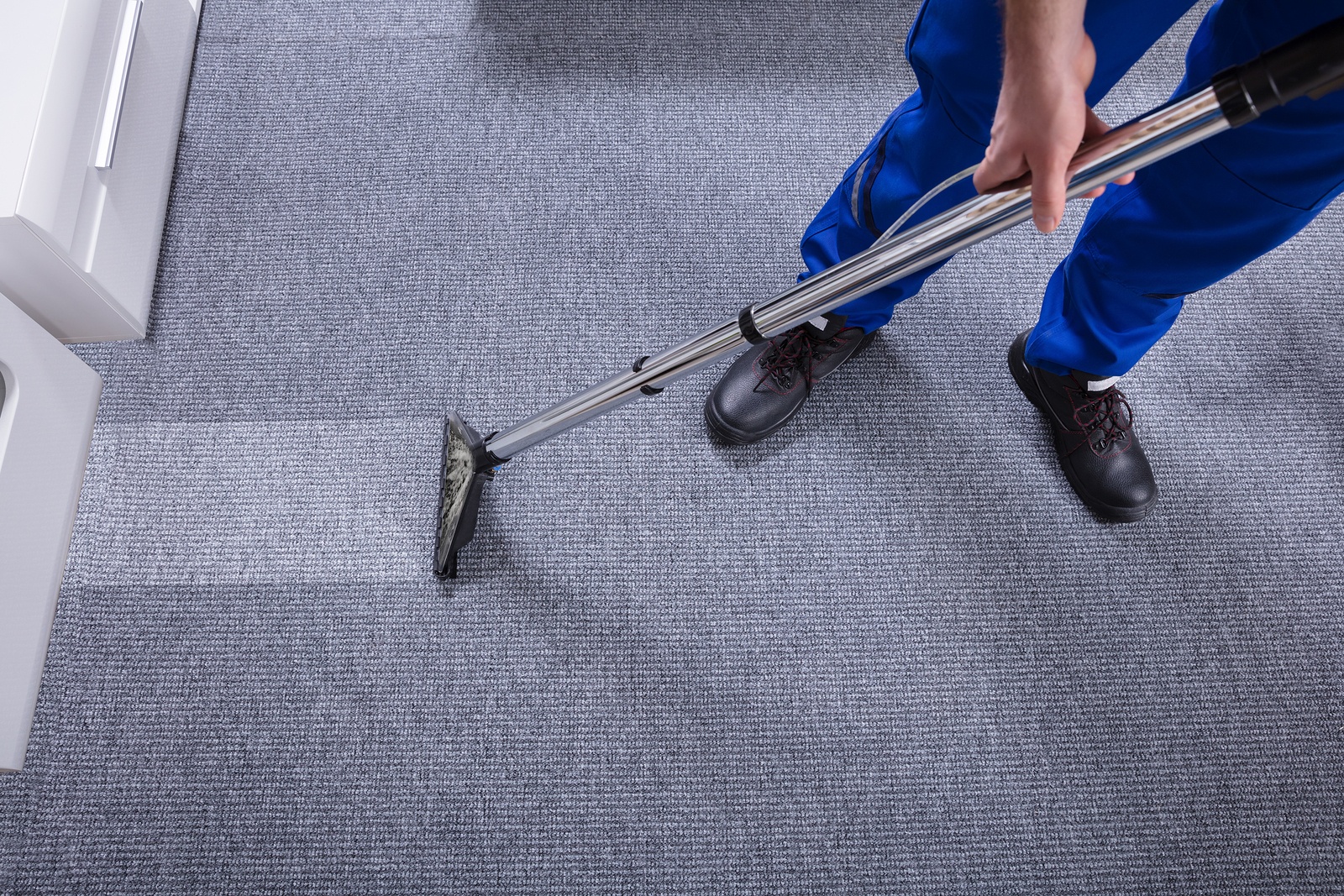
Our truck-mounted and portable hot water extraction systems heat water to 200+ degrees, penetrating deep into carpet fibers to dissolve and extract embedded soil, allergens, and contaminants. This industry-recommended method removes up to 95% of common household allergens and is approved by major carpet manufacturers.
Low-Moisture Quick Dry Options
For businesses that cannot accommodate extended drying times, our encapsulation and dry compound cleaning methods allow carpets to dry within 1-2 hours. These techniques use minimal moisture while still delivering excellent soil removal for maintenance cleaning between deep extractions.
Advanced Stain & Spot Treatment
Our technicians are trained to identify and treat various stain types including coffee, ink, grease, rust, and organic stains. We use professional-grade spotters and pH-balanced solutions specific to each stain chemistry for maximum removal without damaging carpet fibers.
High-Traffic Lane Restoration
Hallways, entryways, and common areas suffer the most wear. Our specialized agitation equipment and pre-spray treatments restore crushed carpet pile, remove traffic lane graying, and revitalize heavily soiled areas to match surrounding carpet appearance.
Eco-Friendly Cleaning Solutions
We offer green cleaning options using EPA Safer Choice certified products that are safe for employees, customers, and the environment. These biodegradable solutions contain no harsh chemicals, phosphates, or optical brighteners while delivering professional-grade cleaning results.
Scheduled Maintenance Programs
Protect your carpet investment with customized maintenance plans tailored to your facility's foot traffic and usage patterns. Regular professional cleaning every 3-12 months extends carpet life, maintains warranty compliance, and ensures consistently clean appearance year-round.
Benefits of Carpet Cleaning
Extended Carpet Lifespan
Regular professional cleaning removes abrasive soil particles that cut and damage carpet fibers with every footstep. Industry studies show that carpets maintained with annual professional cleaning can last 50% longer than those receiving only vacuuming, potentially saving thousands in replacement costs over time.
Improved Indoor Air Quality
Commercial carpets act as filters, trapping airborne particles, dust, pollen, and pollutants. Without regular deep cleaning, these contaminants accumulate and are released back into the air. Professional extraction removes these particles, significantly improving indoor air quality for employees and visitors.
Allergen & Bacteria Elimination
Office carpets harbor dust mites, pet dander tracked in by employees, mold spores, and bacteria. Hot water extraction at proper temperatures kills dust mites and removes allergen particles, while professional disinfectants eliminate harmful bacteria including E. coli and salmonella.
Enhanced Professional Appearance
Clean carpets create positive first impressions with clients, customers, and employees. Stained, dirty carpets signal neglect and can damage your business reputation. Regular professional cleaning maintains a consistently fresh, professional appearance that reflects well on your organization.
Reduced Employee Sick Days
Poor indoor air quality contributes to respiratory issues, allergies, and illness. The EPA identifies indoor air pollution as a top environmental health risk. Clean carpets reduce airborne contaminants that can trigger asthma and allergy symptoms, supporting healthier, more productive employees.
Warranty Protection
Most commercial carpet warranties require professional cleaning every 12-18 months using hot water extraction methods. Failure to maintain these records can void manufacturer warranties. Our detailed service documentation helps protect your carpet investment and warranty coverage.
Our Carpet Cleaning Process
Pre-Inspection & Assessment
Our certified technician evaluates your carpet type, condition, soiling level, and identifies any permanent stains or damage. We note high-traffic areas, test fiber type for colorfastness, and determine the most effective cleaning method for your specific carpet and soil conditions.
Pre-Vacuuming & Preparation
We thoroughly vacuum all areas with commercial-grade equipment to remove loose surface soil and debris. Furniture is moved (where applicable) or protected with blocks and tabs. Entryway mats are placed to protect surrounding hard floors during the cleaning process.
Pre-Treatment Application
A specially formulated pre-spray solution is applied to break down oily soils and loosen embedded dirt. High-traffic areas receive additional agitation with counter-rotating brushes to work the cleaning agent deep into carpet fibers for maximum soil suspension.
Spot & Stain Treatment
Individual spots and stains receive specialized treatment using professional-grade spotters matched to the specific stain chemistry. We treat protein-based stains (food, blood), tannin stains (coffee, tea), oil-based stains (grease, makeup), and dye stains (ink, wine) with appropriate solutions.
Hot Water Extraction
Our powerful extraction equipment injects heated cleaning solution deep into carpet fibers at controlled pressure, then immediately extracts the suspended soil and moisture. This rinse-and-extract process leaves carpets clean, fresh, and residue-free with minimal drying time.
Grooming & Drying
Carpet pile is groomed with specialized tools to restore appearance, speed drying, and eliminate any wand marks. High-velocity air movers are positioned to accelerate drying. Most carpets dry within 4-6 hours; high-traffic areas may be protected with tab blocks until fully dry.
Commercial Carpet Cleaning Methods We Employ
Types of Commercial Facilities We Serve
Understanding Commercial Carpet Fiber Types
The Cost of Neglecting Professional Carpet Maintenance
Frequently Asked Questions
How often should commercial carpets be professionally cleaned?
Cleaning frequency depends on foot traffic and facility type. General office spaces typically need professional cleaning every 6-12 months. High-traffic areas like entryways, hallways, and common areas may require cleaning every 3-6 months. Retail stores, restaurants, and medical facilities often need monthly or quarterly service. We can assess your specific needs and recommend an appropriate maintenance schedule.
How long will it take for my carpets to dry after cleaning?
With hot water extraction, most commercial carpets dry within 4-6 hours under normal conditions. Factors affecting drying time include carpet type, humidity levels, air circulation, and soiling severity. We use high-velocity air movers to speed drying. Our low-moisture cleaning options are available for situations requiring 1-2 hour dry times. We recommend scheduling after-hours or weekends for minimal business disruption.
Can you remove all stains from commercial carpet?
While we successfully remove most stains, some permanent damage cannot be corrected. Factors affecting stain removal include the type of staining substance, how long it has been present, previous cleaning attempts, carpet fiber type, and whether protective treatments were applied. We have specialized solutions for most common commercial stains including coffee, ink, grease, and food spills. Our technician will provide honest assessment of what can be achieved.
What is hot water extraction and why is it recommended?
Hot water extraction (often called steam cleaning) is the carpet cleaning method recommended by leading carpet manufacturers including Shaw and Mohawk. It involves spraying heated cleaning solution into carpet fibers under pressure, then immediately extracting the suspended soil and moisture with powerful vacuum suction. This deep-cleaning method removes the most soil and allergens, leaves minimal residue, and maintains carpet warranty compliance when performed by certified technicians.
Do you move furniture during carpet cleaning?
We move lightweight office furniture such as chairs, wastebaskets, and small tables as part of our standard service. For liability and safety reasons, we typically do not move heavy furniture, electronics, or file cabinets. We clean around these items and can detail edges with hand tools. If specific furniture moving is required, please discuss this when scheduling so we can plan accordingly.
Are your cleaning solutions safe for employees and the environment?
Yes, we prioritize health and environmental safety. Our primary cleaning solutions are biodegradable, phosphate-free, and meet EPA Safer Choice standards when possible. We offer green cleaning options upon request. Our cleaning agents are safe for humans and pets when used as directed. We rinse thoroughly to remove cleaning residues, leaving carpets safe for immediate use once dry.
Related Services
Upholstery Cleaning
Deep cleaning for office chairs, sofas, and commercial fabric furniture.
Tile & Grout
Deep cleaning and restoration for commercial tile floors, walls, and grout lines.
Restroom Sanitation
Deep cleaning and disinfection services for commercial restrooms and washrooms.
Common Area Cleaning
Regular sanitization for break rooms, lobbies, and shared office spaces.
Ready to Experience the Difference?
Contact us today for a free consultation and customized quote for carpet cleaning.
services planning guide
How to plan commercial carpet cleaning for a commercial facility in Dallas
Commercial Cleaning Services of Dallas uses the following planning framework to help property managers and business owners turn a request for commercial cleaning and janitorial service into a scope that can be walked, priced, scheduled, and checked. It is designed for practical comparison and does not replace site-specific safety, material, vendor, or regulatory requirements.
Define the Work Before Pricing It
Change orders are easier to avoid when the initial commercial carpet cleaning proposal records current conditions. Photographs, floor-type notes, access limitations, and known buildup give both sides a shared baseline for deciding what belongs in startup work and what belongs in recurring maintenance. A walkthrough for commercial carpet cleaning is most productive when the decision-maker identifies the spaces that create complaints, the areas that carry the most traffic, and the tasks the current program misses. Those observations turn a generic checklist into a practical scope tied to the way the property is actually used. Before pricing commercial carpet cleaning, document exclusions as carefully as inclusions. Exterior work, high access, consumable supplies, waste handling, specialty floor restoration, equipment interiors, and event cleanup can be scheduled correctly only when responsibility is explicit. For multi-tenant or mixed-use properties, commercial carpet cleaning should be divided by responsibility zone. Common areas, tenant suites, back-of-house spaces, loading areas, public restrooms, and restricted rooms can then receive schedules and approval rules that match their actual use.
Build the Schedule Around Operations
A dependable plan includes a method for reporting schedule changes. The facility contact should know whom to notify, how much lead time is needed, and how missed or added visits affect the monthly program before an urgent request arises. Access planning is part of service planning. Keys, badges, alarm procedures, loading access, elevator reservations, escort rules, and locked-room approvals should be confirmed before the first commercial carpet cleaning visit so the crew can complete the full scope without improvising. Recurring commercial carpet cleaning should include planned periodic work instead of waiting for visible deterioration. Rotating detail tasks through monthly or quarterly cycles protects floors, fixtures, glass, vents, edges, and other zones that routine visits cannot address completely. Daytime and after-hours service solve different operational problems. Day porter coverage manages visible conditions while people are present; after-hours crews complete disruptive or time-intensive tasks when work areas can be accessed safely and thoroughly.
Make Quality Control Observable
Useful performance conversations separate an isolated miss from a recurring process failure. One unemptied bin requires correction; repeated misses in the same wing may indicate unclear zoning, inadequate time, or a checklist that does not match the building. Consistent crew assignments improve commercial carpet cleaning because the team learns access routines, material sensitivities, recurring problem areas, and the expectations of the facility contact. Coverage plans are still necessary for absences so consistency does not depend on one individual. The account review should examine service requests, inspection findings, occupancy changes, supply use, and upcoming facility events. That review keeps the program aligned with the property instead of allowing an old scope to continue after the building changes. A single complaint channel prevents service issues from disappearing between building occupants, property management, and the cleaning crew. Requests should be logged with the location, task, urgency, and desired completion time so the response can be verified.
Match Methods to Materials and Risk
Dwell time and physical removal are central to effective cleaning. A product cannot perform as intended if it is wiped away immediately, and loosened soil still needs to be removed with clean tools rather than redistributed across the surface. A material-safety discussion should include storage and labeling. Facility contacts should know where products and equipment will be kept, which rooms remain accessible to occupants, and how spills or damaged containers are reported. Equipment should be selected for the facility rather than for convenience. HEPA filtration, low-moisture extraction, auto-scrubbing, water-fed poles, pressure equipment, or detail tools may be appropriate depending on access, surface, soil, and reopening time. Surface identification matters because a process that works on one material can damage another. Before commercial carpet cleaning, confirm flooring, stone, coated metal, glass treatments, upholstery, painted surfaces, and manufacturer restrictions that affect chemistry or agitation.
Use the Walkthrough to Build the Scope
Bring a current floor plan, operating schedule, and list of known problem areas to the walkthrough. These details help Commercial Cleaning Services of Dallas organize commercial carpet cleaning around actual conditions instead of estimating from square footage and a short phone description. For larger properties, divide the walkthrough into zones and record the floor type, use, occupancy, and desired frequency for each. This produces a proposal that can be adjusted by zone without rewriting the entire program. Access and safety constraints should be demonstrated, not merely mentioned. Alarm panels, loading doors, restricted areas, waste points, water access, electrical access, and equipment storage can change the labor plan materially. A useful walkthrough ends with next steps: who will receive the written scope, who can approve revisions, whether a second technical visit is required, and what information is still needed before pricing is final.
Put the Service Agreement in Writing
Cancellation, renewal, and notice terms deserve the same attention as the cleaning checklist. A facility manager comparing proposals should understand the initial term, renewal method, price-review process, and the notice required to change or end service. The agreement should state how holidays, weather closures, and client-requested skips are handled. These events affect visit counts and staffing, and the billing treatment should be clear before the first calendar exception. A commercial cleaning agreement should attach or reproduce the approved scope, frequency, service window, periodic task calendar, supply responsibilities, access rules, and communication contacts. The written detail protects both the property and the service team. A structured startup period gives both sides a chance to refine the scope. Early inspections and a scheduled review after the first few visits can resolve workload assumptions before they become embedded in a long-term program.
Plan for Dallas Facility Conditions
Heat and air-conditioning runtime can increase dust movement through vents, ledges, high surfaces, and return-air zones. Periodic detail work should be scheduled before accumulation becomes visible or begins cycling back into occupied areas. A local service plan should account for the property’s immediate environment. Construction nearby, open parking, landscaping, loading activity, and pedestrian traffic can change how quickly dust and debris return after a visit. DFW traffic makes realistic arrival windows important, especially when a crew must meet security or elevator access at a fixed time. The plan should protect enough on-site time to complete the work rather than compressing the scope after a delayed handoff. Commercial properties in the region frequently combine offices, warehouses, showrooms, food service, or public-facing areas under one address. Zoning the scope by use keeps the cleaning method appropriate for each part of the building.
Compare Providers on More Than Price
The final decision should align service frequency with the facility’s real use. Buying fewer visits than the property needs creates visible decline; buying unnecessary frequency wastes budget that could be directed to periodic or high-priority work. Ask each provider to explain staffing assumptions, visit length, supervision, equipment, and the process for covering absences. The answer reveals whether the proposal is an operating plan or simply a price attached to a task list. A pilot or structured startup can be useful when the facility is complex or the current condition is uncertain. Define what will be evaluated, how long the evaluation lasts, and what information determines the permanent scope. Review the proposal for vague language. Terms such as “as needed,” “regularly,” and “periodically” should be converted into frequencies, triggers, or approval rules before the agreement is signed.
Start, Measure, and Adjust the Program
A stable program still needs review after renovations, staffing growth, seasonal traffic, operating-hour changes, or new equipment. Each change can alter soil load, access, or the time available for commercial carpet cleaning. Closeout reporting should match the account’s complexity. A small property may need simple completion confirmation; a larger or specialized account may need inspection notes, issue photographs, supply alerts, and a record of periodic tasks. Periodic tasks should be placed on a calendar at startup. Floor work, carpet extraction, glass detailing, vent cleaning, high dusting, pressure cleaning, and other rotating services are easier to budget when dates are planned. Crew orientation should cover the approved scope, building access, material cautions, waste handling, supply storage, security, and the communication path for exceptions. Written information is more dependable than verbal instructions passed between shifts.
Bring to the walkthrough
- Approximate square footage, floor plan, and operating hours
- Current frequency, known complaints, and priority areas
- Flooring and surface notes, restricted rooms, and access rules
- Desired start date, budget constraints, and approval contacts
Expect in a written proposal
- Task scope by zone and visit frequency
- Service windows, periodic work, and supply responsibility
- Quality checks, communication, and correction procedures
- Pricing assumptions, exclusions, and change-order rules