
Professional Floor Polishing for Retail & Commercial Spaces
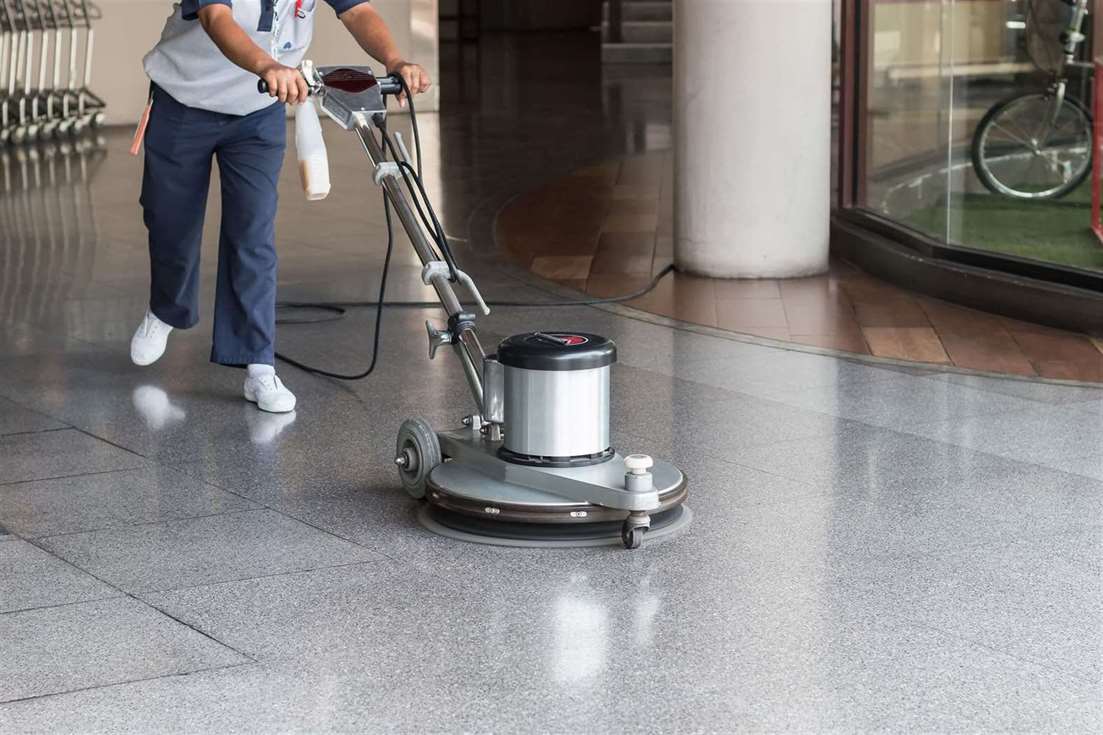
Expert floor polishing and restoration services for retail stores, shopping centers, and commercial properties throughout Dallas-Fort Worth. Our skilled technicians restore shine, repair damage, and protect vinyl, concrete, tile, marble, and hardwood floors to create an inviting shopping environment that enhances customer experience and protects your flooring investment.
Service Features
VCT Strip & Wax Services
Vinyl Composition Tile (VCT) is the most common commercial flooring and requires regular maintenance to maintain appearance and protection. Our comprehensive strip and wax service removes all old finish buildup, thoroughly cleans the tile surface, and applies 4-6 coats of premium floor finish for lasting protection and brilliant shine that can last 6-12 months depending on traffic.
Concrete Floor Polishing
Transform dull concrete floors into high-gloss, durable surfaces that resist stains and wear. Our mechanical polishing process uses progressively finer diamond abrasives to achieve the desired sheen level from satin to high-gloss mirror finish. Polished concrete is low-maintenance, environmentally friendly, and creates a modern industrial aesthetic popular in retail and commercial spaces.
Hardwood Floor Refinishing
Restore the natural beauty of hardwood floors in retail boutiques, offices, and commercial spaces. Our dust-containment sanding systems minimize disruption, followed by application of commercial-grade polyurethane or water-based finishes designed for high-traffic commercial use. We repair scratches, address water damage, and match existing stain colors for seamless restoration.
Marble & Natural Stone Polishing
Marble, granite, travertine, and other natural stone floors in lobbies and high-end retail spaces require specialized care. Our stone restoration process includes diamond honing to remove scratches and etching, polishing to restore natural luster, and sealing to protect against staining. We address the unique characteristics of each stone type for optimal results.
Ceramic & Porcelain Tile Refinishing
While tile itself is durable, grout lines become stained and unsightly over time. Our tile and grout cleaning service uses high-pressure extraction to remove embedded dirt, followed by grout sealing or color sealing to restore uniform appearance. For worn tile surfaces, we offer restoration polishing to renew the factory finish.
Anti-Slip Treatment Application
Safety is paramount in commercial spaces. We apply specialized anti-slip treatments to polished floors that increase traction coefficient without sacrificing appearance. These treatments are particularly important for entryways, food service areas, and spaces where floors may become wet, helping reduce slip-and-fall liability while maintaining your desired aesthetic.
Benefits of Floor Polishing
Enhanced Customer Shopping Experience
Clean, shiny floors create positive first impressions and contribute to an upscale shopping environment. Research shows that store environment significantly influences customer perception of merchandise quality and pricing. Well-maintained floors signal attention to detail and quality that customers associate with your products and brand.
Extended Floor Lifespan
Regular professional maintenance protects flooring investments by preventing permanent damage from scratches, stains, and wear. Properly maintained VCT flooring can last 20+ years, while neglected floors require replacement in as little as 5-7 years. Professional polishing and finishing creates protective barriers that minimize daily wear and tear.
Reduced Long-Term Maintenance Costs
While professional floor care requires investment, it significantly reduces long-term costs compared to premature floor replacement. Additionally, well-finished floors are easier and faster to maintain daily, reducing labor costs for routine cleaning. Smooth, polished surfaces resist soiling and require less aggressive cleaning methods.
Improved Safety & Liability Reduction
Properly maintained floors with appropriate finish and anti-slip treatments reduce slip-and-fall accidents, a leading cause of retail liability claims. Well-finished floors are more resistant to moisture penetration that can cause slip hazards. Regular maintenance also addresses uneven wear and damage that creates tripping hazards.
Better Light Reflection & Energy Efficiency
High-gloss floor finishes reflect light throughout retail spaces, creating brighter environments and potentially reducing lighting energy costs. Polished concrete and well-maintained VCT can increase ambient light levels by 20-30%, contributing to better product visibility and more welcoming spaces without additional electricity usage.
Brand Image Enhancement
Your retail environment communicates brand values to customers. Clean, well-maintained floors reflect professionalism, quality consciousness, and attention to detail. For luxury retailers especially, floor appearance is a critical component of the overall brand experience that justifies premium positioning and pricing.
Our Floor Polishing Process
Floor Assessment & Evaluation
Our technician evaluates your flooring type, current condition, wear patterns, and damage. We identify the existing finish type, determine if stripping is necessary or if scrub-and-recoat will suffice, and note any repairs needed. This assessment informs our recommended approach and provides accurate pricing.
Area Preparation & Protection
We remove or protect merchandise, fixtures, and furnishings from the work area. Delicate items are moved, while heavy fixtures are protected with plastic sheeting. Entrances are secured and warning signage is posted. Floor edges are taped to protect baseboards and adjacent flooring from chemicals and water.
Stripping (When Required)
For VCT and other finished floors, we apply commercial stripping solution and use floor machines with stripping pads to remove all existing finish buildup. This reveals the bare floor surface and removes embedded soil that has become trapped in finish layers. Thorough stripping is essential for proper adhesion of new finish.
Deep Cleaning & Neutralizing
Floors are thoroughly scrubbed and rinsed to remove all stripping residue and remaining soil. For stone and concrete, diamond grinding or honing may be performed to address scratches and wear. The surface is neutralized to ensure proper pH for finish adhesion or to prepare for polishing processes.
Finishing or Polishing
For VCT and similar floors, we apply multiple thin coats of premium floor finish using microfiber applicators, allowing proper drying time between coats. For concrete and stone, progressive diamond polishing achieves the desired gloss level. Each coat or polishing step builds the protective layer and appearance.
Final Inspection & Cure
We inspect the completed floor for uniform coverage, gloss consistency, and any imperfections. The floor requires 24-48 hours of cure time before heavy traffic resumes. We provide care instructions and recommend appropriate maintenance products to protect your newly restored floors.
Commercial Flooring Types and Their Maintenance Requirements
The Economics of Professional Floor Maintenance
Floor Safety and Slip Resistance Standards
Sustainable Floor Care Practices
Frequently Asked Questions
How often should retail floors be stripped and waxed?
Frequency depends on foot traffic, floor type, and maintenance between services. High-traffic retail stores typically need strip and wax service every 6-12 months. Moderate traffic areas may extend to 12-18 months. Daily maintenance including dust mopping and damp mopping with proper products significantly extends finish life. We evaluate your specific situation and recommend an appropriate maintenance schedule based on traffic patterns and appearance standards.
How long does floor polishing take and when can we reopen?
Project duration varies by floor size and service type. A typical retail strip and wax service requires the space to be closed overnight and the following day for proper finish curing - generally 24-48 hours before heavy traffic resumes. Concrete polishing is a multi-day process but allows immediate use of completed sections. We work with your schedule to minimize business disruption, often performing services during closed days or overnight hours.
What's the difference between buffing and stripping floors?
Buffing (or burnishing) is a maintenance procedure that uses a high-speed machine to harden and polish the top layer of floor finish, restoring gloss between full strip and wax services. Stripping removes all existing finish down to the bare floor, allowing application of fresh finish layers. Buffing can be done monthly, while stripping is needed when finish becomes discolored, scratched through to the tile, or will no longer respond to buffing. Regular buffing extends the time between stripping services.
Can you work around our store hours and fixtures?
Yes, we specialize in working within retail constraints. We schedule services during closed hours, early mornings, or overnight to avoid disrupting business. For stores that cannot close completely, we work in sections, completing one area before moving to the next. We protect fixtures and merchandise with plastic sheeting and can work around displays that cannot be moved. Our goal is to deliver professional results with minimal impact on your operations.
What types of floor finishes do you use?
We use premium commercial floor finishes from leading manufacturers like 3M, Johnson Diversey, and Spartan. These products are specifically formulated for high-traffic commercial environments and provide superior durability, gloss retention, and mark resistance compared to consumer-grade products. We select finish type based on your flooring material, traffic level, and desired appearance - options range from matte to ultra-high gloss formulations.
Will polished floors be slippery?
Properly finished and maintained floors should not be excessively slippery. We can adjust gloss levels and apply anti-slip treatments to achieve the appearance you want while maintaining safe traction. Newly finished floors may feel slightly more slippery until fully cured. We conduct slip resistance testing when required and can provide documentation of coefficient of friction measurements for liability protection.
Related Services
Carpet Cleaning
Deep carpet cleaning for offices and commercial spaces using hot water extraction methods.
Tile & Grout
Deep cleaning and restoration for commercial tile floors, walls, and grout lines.
Warehouse Cleaning
Industrial cleaning for warehouses including dust removal and debris cleanup.
Post-Construction Cleanup
Complete cleaning after construction, renovation, and remodeling projects.
Ready to Experience the Difference?
Contact us today for a free consultation and customized quote for floor polishing.
services planning guide
How to plan retail floor polishing for a commercial facility in Dallas
Commercial Cleaning Services of Dallas uses the following planning framework to help property managers and business owners turn a request for commercial cleaning and janitorial service into a scope that can be walked, priced, scheduled, and checked. It is designed for practical comparison and does not replace site-specific safety, material, vendor, or regulatory requirements.
Define the Work Before Pricing It
A commercial scope should distinguish appearance cleaning from hygiene work and asset maintenance. Dust removal, disinfection, floor finish care, glass restoration, and debris control solve different problems, use different processes, and often belong on different frequencies. Square footage alone does not define the effort required for retail floor polishing. Occupancy, floor materials, restroom count, food or production activity, security procedures, furniture density, and the time available between closing and reopening all affect labor and equipment planning. Change orders are easier to avoid when the initial retail floor polishing proposal records current conditions. Photographs, floor-type notes, access limitations, and known buildup give both sides a shared baseline for deciding what belongs in startup work and what belongs in recurring maintenance. Before pricing retail floor polishing, document exclusions as carefully as inclusions. Exterior work, high access, consumable supplies, waste handling, specialty floor restoration, equipment interiors, and event cleanup can be scheduled correctly only when responsibility is explicit.
Build the Schedule Around Operations
For Dallas–Fort Worth properties, travel windows and building access can materially affect the usable service period. A realistic schedule accounts for security handoffs and operating deadlines rather than promising a start time that leaves too little time to finish. A nightly, daily, weekly, or project schedule changes more than visit frequency. It changes how much soil accumulates between visits, which tools are appropriate, how long each visit takes, and whether periodic deep work must be layered into the agreement. Facilities with irregular occupancy should use a flexible service calendar. Seasonal traffic, events, construction phases, tenant move-ins, inventory cycles, and weather can all create temporary cleaning demand that a rigid schedule will miss. Daytime and after-hours service solve different operational problems. Day porter coverage manages visible conditions while people are present; after-hours crews complete disruptive or time-intensive tasks when work areas can be accessed safely and thoroughly.
Make Quality Control Observable
The account review should examine service requests, inspection findings, occupancy changes, supply use, and upcoming facility events. That review keeps the program aligned with the property instead of allowing an old scope to continue after the building changes. A single complaint channel prevents service issues from disappearing between building occupants, property management, and the cleaning crew. Requests should be logged with the location, task, urgency, and desired completion time so the response can be verified. Quality control works best when it is tied to the site-specific scope. A supervisor can inspect completion against named rooms and outcomes, record exceptions, assign corrections, and identify patterns that require a change in staffing, tools, or frequency. Before-and-after documentation is especially valuable for one-time or restorative retail floor polishing. It establishes the starting condition, records the completed result, and helps the facility manager decide whether a recurring maintenance cycle would prevent the same buildup.
Match Methods to Materials and Risk
Surface identification matters because a process that works on one material can damage another. Before retail floor polishing, confirm flooring, stone, coated metal, glass treatments, upholstery, painted surfaces, and manufacturer restrictions that affect chemistry or agitation. For sensitive or newly installed materials, a small test area can prevent expensive mistakes. The service plan should identify who approves the test result before broader cleaning or restoration proceeds. Equipment should be selected for the facility rather than for convenience. HEPA filtration, low-moisture extraction, auto-scrubbing, water-fed poles, pressure equipment, or detail tools may be appropriate depending on access, surface, soil, and reopening time. Product selection should match the task and the occupied environment. Cleaning, degreasing, disinfecting, descaling, and finishing are different functions; using one product for every surface can leave residue, reduce effectiveness, or shorten asset life.
Use the Walkthrough to Build the Scope
Ask department leads or regular occupants where cleaning failures are most visible. Facility managers often know the formal complaints, while daily users can identify recurring issues such as neglected corners, supply shortages, or timing conflicts. A useful walkthrough ends with next steps: who will receive the written scope, who can approve revisions, whether a second technical visit is required, and what information is still needed before pricing is final. Bring a current floor plan, operating schedule, and list of known problem areas to the walkthrough. These details help Commercial Cleaning Services of Dallas organize retail floor polishing around actual conditions instead of estimating from square footage and a short phone description. If the requested retail floor polishing includes restorative work, identify the difference between a first-service reset and ongoing maintenance. Startup work may require additional labor that should not be hidden inside the recurring visit price.
Put the Service Agreement in Writing
Pricing should state whether it is monthly, per visit, hourly, or project based and should identify the assumptions behind it. Changes in occupied square footage, frequency, access time, or task scope need an agreed method for repricing. Service-level expectations should be realistic and observable. A promise of “perfect cleaning” is less useful than response times, inspection routines, named completion outcomes, and an escalation process for repeated deficiencies. Insurance and vendor-document requirements should be confirmed during proposal review rather than after award. If the property requires a certificate, additional insured wording, vendor portal registration, or special access documentation, those steps can affect the startup date. A structured startup period gives both sides a chance to refine the scope. Early inspections and a scheduled review after the first few visits can resolve workload assumptions before they become embedded in a long-term program.
Plan for Dallas Facility Conditions
Properties across Dallas–Fort Worth vary widely in access, occupancy, and operating schedule. A downtown office, suburban medical suite, industrial building, retail center, and hospitality property should not receive the same labor plan simply because their square footage is similar. Storm seasons can create short-notice needs around entrances, exterior glass, tracked moisture, construction material, and debris. A recurring account should know how to request work outside the normal scope and whether priority response is available. DFW traffic makes realistic arrival windows important, especially when a crew must meet security or elevator access at a fixed time. The plan should protect enough on-site time to complete the work rather than compressing the scope after a delayed handoff. Heat and air-conditioning runtime can increase dust movement through vents, ledges, high surfaces, and return-air zones. Periodic detail work should be scheduled before accumulation becomes visible or begins cycling back into occupied areas.
Compare Providers on More Than Price
Consider the cost of under-scoping. Persistent complaints, damaged finishes, emergency restoration, staff time spent supervising the vendor, and repeated provider changes can cost more than a properly designed recurring program. References are most useful when the compared account resembles the property in size, use, and schedule. A successful small office account does not by itself demonstrate the systems needed for a large, high-traffic, or specialized facility. Review the proposal for vague language. Terms such as “as needed,” “regularly,” and “periodically” should be converted into frequencies, triggers, or approval rules before the agreement is signed. The final decision should align service frequency with the facility’s real use. Buying fewer visits than the property needs creates visible decline; buying unnecessary frequency wastes budget that could be directed to periodic or high-priority work.
Start, Measure, and Adjust the Program
Periodic tasks should be placed on a calendar at startup. Floor work, carpet extraction, glass detailing, vent cleaning, high dusting, pressure cleaning, and other rotating services are easier to budget when dates are planned. Task sequencing affects results. High dusting should precede lower-surface cleaning, dry soil removal should precede wet work, and areas with restricted reopening times should be completed early enough to dry or ventilate. A stable program still needs review after renovations, staffing growth, seasonal traffic, operating-hour changes, or new equipment. Each change can alter soil load, access, or the time available for retail floor polishing. Crew orientation should cover the approved scope, building access, material cautions, waste handling, supply storage, security, and the communication path for exceptions. Written information is more dependable than verbal instructions passed between shifts.
Bring to the walkthrough
- Approximate square footage, floor plan, and operating hours
- Current frequency, known complaints, and priority areas
- Flooring and surface notes, restricted rooms, and access rules
- Desired start date, budget constraints, and approval contacts
Expect in a written proposal
- Task scope by zone and visit frequency
- Service windows, periodic work, and supply responsibility
- Quality checks, communication, and correction procedures
- Pricing assumptions, exclusions, and change-order rules