Professional Mold & Mildew Removal for Commercial Properties
Safe and effective mold and mildew identification, removal, and prevention services for commercial buildings throughout Dallas-Fort Worth. Our certified technicians follow EPA and IICRC protocols to address moisture issues, remediate mold contamination, and restore healthy indoor environments while protecting building occupants and preventing recurrence.
Service Features
Mold Inspection & Assessment
Comprehensive evaluation of your facility to identify visible mold growth, moisture sources, and hidden contamination. We use moisture meters, infrared cameras, and air sampling when appropriate to fully assess the scope of mold issues. Detailed documentation supports remediation planning and insurance claims.
Containment & Air Filtration
During remediation, we establish containment barriers to prevent mold spore dispersal to unaffected areas. HEPA air filtration devices create negative pressure within containment zones, capturing airborne spores and protecting building occupants during the removal process.
Safe Mold Removal
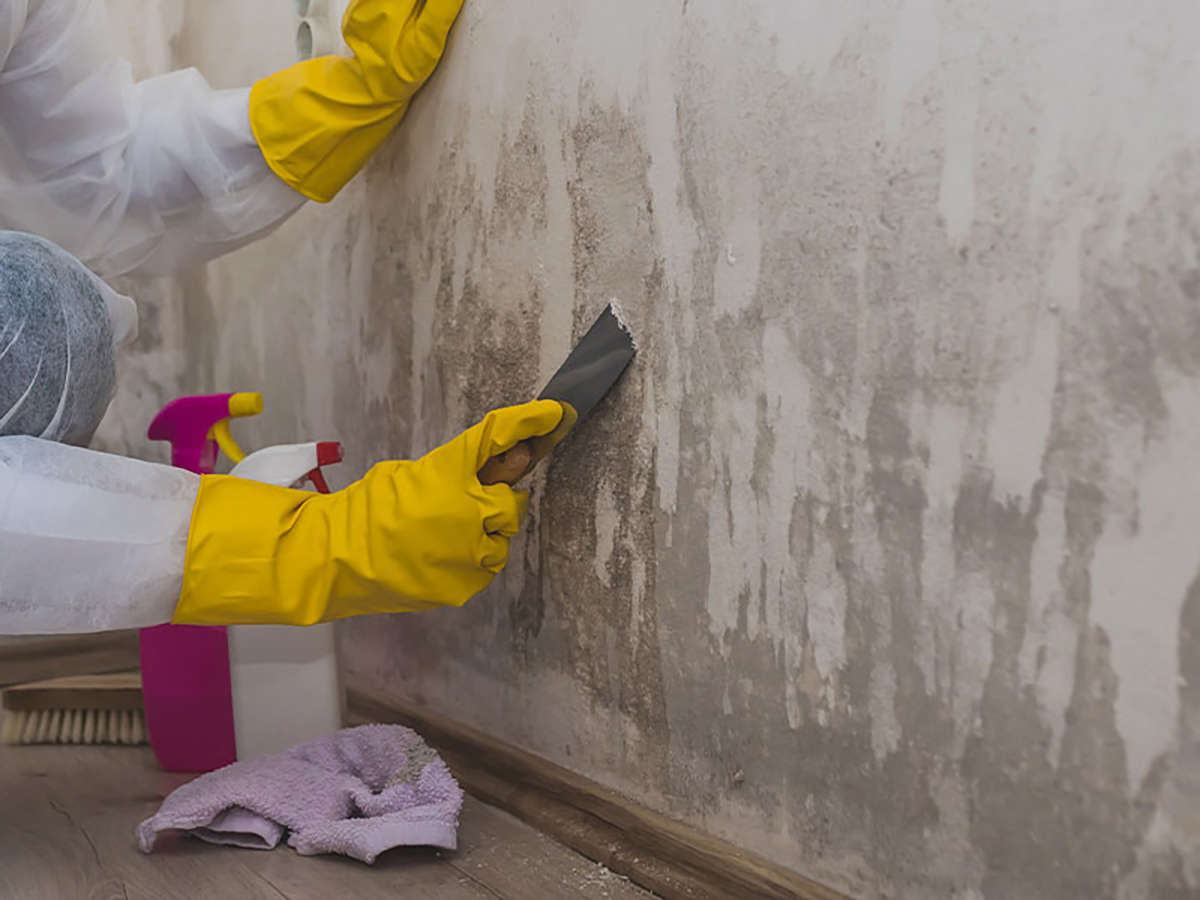
Our technicians follow established protocols for safe mold removal, using appropriate personal protective equipment and methods matched to the extent of contamination. Affected materials are removed or treated according to IICRC S520 standards, ensuring complete elimination of mold growth.
HEPA Vacuuming & Cleaning
Following removal of contaminated materials, all surfaces within the remediation area receive HEPA vacuuming and antimicrobial cleaning. This eliminates remaining mold spores and prevents recurrence. We address both visible and hidden areas where spores may have settled.
Moisture Source Identification
Effective mold remediation requires addressing the moisture that supports growth. We identify and document water sources including leaks, condensation, high humidity, or building envelope failures. This information guides both immediate remediation and long-term prevention strategies.
Prevention Recommendations
Following remediation, we provide detailed recommendations for preventing future mold growth. This may include humidity control strategies, ventilation improvements, building envelope repairs, or ongoing moisture monitoring. Our goal is lasting resolution, not just temporary symptom treatment.
Benefits of Mold Remediation
Protects Occupant Health
Mold exposure can cause allergic reactions, respiratory issues, and other health problems. For sensitive individuals including those with asthma or compromised immune systems, mold can trigger serious symptoms. Professional remediation eliminates these health hazards and creates safer indoor environments for employees and visitors.
Prevents Structural Damage
Mold growth indicates moisture problems that can cause wood rot, drywall deterioration, and structural damage if unaddressed. Active mold also degrades materials it grows on. Prompt remediation stops this damage progression, protecting your building investment and avoiding costly repairs.
Improved Indoor Air Quality
Mold releases spores and microbial volatile organic compounds (MVOCs) that degrade indoor air quality and create musty odors. Professional remediation removes these contamination sources. Post-remediation air quality testing can verify successful restoration of healthy conditions.
Liability Risk Reduction
Building owners and employers have a duty to provide safe environments. Documented mold issues that are not addressed can create liability exposure if occupants experience health effects. Professional remediation with proper documentation demonstrates due diligence and reduces legal risks.
Insurance Claim Support
Mold damage is often covered by property insurance when caused by covered perils like water leaks. Professional assessment and remediation documentation support insurance claims. We provide the detailed reports, photos, and scope of work documentation that insurers require to process claims.
Long-Term Problem Resolution
Effective mold remediation addresses both the visible growth and underlying moisture issues that caused it. This comprehensive approach prevents recurrence and provides lasting results rather than temporary fixes. Our prevention recommendations help maintain healthy conditions going forward.
Our Mold Remediation Process
Initial Assessment & Inspection
Our certified technician conducts a thorough inspection to identify visible mold, moisture sources, and potential hidden growth. We document findings with photos and measurements. Air quality testing may be recommended for suspected hidden mold or health complaints. This assessment determines remediation scope and approach.
Containment Setup
Before remediation begins, we establish containment barriers using plastic sheeting to isolate affected areas from occupied spaces. HEPA air filtration devices create negative air pressure within containment, preventing spore dispersal during removal activities. Occupants are protected from exposure during the remediation process.
Mold Removal & Material Disposal
Technicians wearing appropriate personal protective equipment remove mold-contaminated materials according to established protocols. Porous materials with significant mold growth are typically removed and properly bagged for disposal. Non-porous surfaces are cleaned and treated. All removal follows safety standards to protect workers and prevent cross-contamination.
HEPA Cleaning & Treatment
Following removal, all surfaces within containment receive thorough HEPA vacuuming to capture remaining spores. Antimicrobial treatments are applied to inhibit future growth. This detailed cleaning ensures complete elimination of mold contamination and prepares the space for reconstruction or return to use.
Moisture Problem Resolution
We work with building owners to identify and address moisture sources that supported mold growth. This may involve plumbing repairs, roof repairs, HVAC adjustments, or dehumidification. Resolving moisture issues is essential for preventing mold recurrence and is integrated into our remediation approach.
Clearance Testing & Documentation
Following remediation, visual inspection confirms complete removal of visible mold. Air sampling or surface sampling may be conducted by third-party professionals to verify successful remediation. Comprehensive documentation including before/after photos, work performed, and moisture source findings is provided for your records.
Understanding Mold Biology and Growth Requirements
Health Effects Associated with Indoor Mold Exposure
Mold Remediation Standards and Best Practices
Common Moisture Sources and Mold Prevention Strategies
Frequently Asked Questions
How do I know if I have a mold problem in my building?
Common signs include visible mold growth (appearing as spots or discoloration), musty odors, water stains, recent water damage, or health complaints from occupants including allergy symptoms, respiratory issues, or headaches that improve when away from the building. If you suspect mold but don't see it, hidden growth may exist in walls, ceilings, or HVAC systems. We can conduct professional assessments to confirm mold presence and identify sources.
Is all mold dangerous, or are some types harmless?
While some mold types produce mycotoxins that can cause health effects, all mold growth indicates a moisture problem that should be addressed. Even molds considered less toxic can trigger allergic reactions and respiratory symptoms in sensitive individuals. Additionally, visible mold damages materials and indicates conditions that could support more problematic growth. Our approach is to address all mold contamination as a building health issue requiring proper remediation.
Can I clean mold myself with bleach?
DIY mold cleanup is not recommended for areas larger than approximately 10 square feet (about a 3x3 foot patch). Bleach is generally not effective for porous materials and can actually worsen the problem by adding moisture. Professional remediation ensures proper containment, complete removal, and safe disposal while protecting workers and building occupants from exposure. For commercial properties, professional service also provides documentation that may be needed for insurance, liability protection, or regulatory compliance.
How long does mold remediation take?
Duration depends on the extent of contamination, materials affected, and moisture source complexity. Small, contained areas may be remediated in 1-3 days. Larger commercial projects involving multiple rooms or HVAC systems may require 1-2 weeks or longer. We provide time estimates based on our assessment. The process should not be rushed - thorough remediation prevents recurrence and protects occupant health.
Will mold come back after remediation?
Mold will not recur if the moisture source that supported growth is permanently resolved. Our remediation includes moisture source identification and recommendations for addressing these issues. If underlying moisture problems remain unresolved, mold can return regardless of how thorough the initial remediation. This is why we emphasize comprehensive solutions that address both the mold and its cause.
Is mold remediation covered by insurance?
Coverage depends on your policy and the cause of mold. Mold resulting from sudden, accidental water damage (burst pipes, storm damage) is often covered. Mold from long-term maintenance issues or humidity may not be covered. We provide documentation that supports insurance claims when coverage applies. We recommend contacting your insurance provider promptly when mold is discovered to understand your coverage and requirements.
Related Services
Tile & Grout
Deep cleaning and restoration for commercial tile floors, walls, and grout lines.
Warehouse Cleaning
Industrial cleaning for warehouses including dust removal and debris cleanup.
Post-Construction Cleanup
Complete cleaning after construction, renovation, and remodeling projects.
Restroom Sanitation
Deep cleaning and disinfection services for commercial restrooms and washrooms.
Ready to Experience the Difference?
Contact us today for a free consultation and customized quote for mold remediation.
services planning guide
How to plan commercial mold mildew remediation for a commercial facility in Dallas
Commercial Cleaning Services of Dallas uses the following planning framework to help property managers and business owners turn a request for commercial cleaning and janitorial service into a scope that can be walked, priced, scheduled, and checked. It is designed for practical comparison and does not replace site-specific safety, material, vendor, or regulatory requirements.
Define the Work Before Pricing It
Before pricing commercial mold mildew remediation, document exclusions as carefully as inclusions. Exterior work, high access, consumable supplies, waste handling, specialty floor restoration, equipment interiors, and event cleanup can be scheduled correctly only when responsibility is explicit. The strongest commercial mold mildew remediation plan names measurable outcomes rather than relying on broad phrases such as “keep it clean.” Examples include streak-free entry glass, stocked and odor-controlled restrooms, debris-free floor edges, sanitized touchpoints, and completion before a stated opening time. Square footage alone does not define the effort required for commercial mold mildew remediation. Occupancy, floor materials, restroom count, food or production activity, security procedures, furniture density, and the time available between closing and reopening all affect labor and equipment planning. Commercial Mold Mildew Remediation should begin with a written definition of the rooms, surfaces, fixtures, equipment boundaries, and access conditions included in the work. A useful scope separates routine tasks from periodic restoration so the facility manager can see what happens on every visit and what occurs only on a planned cycle.
Build the Schedule Around Operations
Scheduling should be built around operating hours and risk, not around the cleaning company’s convenience. Some commercial facility environments need a complete after-hours reset, while others benefit from daytime attention to entrances, restrooms, spills, or high-traffic common areas. Recurring commercial mold mildew remediation should include planned periodic work instead of waiting for visible deterioration. Rotating detail tasks through monthly or quarterly cycles protects floors, fixtures, glass, vents, edges, and other zones that routine visits cannot address completely. For Dallas–Fort Worth properties, travel windows and building access can materially affect the usable service period. A realistic schedule accounts for security handoffs and operating deadlines rather than promising a start time that leaves too little time to finish. Facilities with irregular occupancy should use a flexible service calendar. Seasonal traffic, events, construction phases, tenant move-ins, inventory cycles, and weather can all create temporary cleaning demand that a rigid schedule will miss.
Make Quality Control Observable
Quality control works best when it is tied to the site-specific scope. A supervisor can inspect completion against named rooms and outcomes, record exceptions, assign corrections, and identify patterns that require a change in staffing, tools, or frequency. A quality program should explain how corrections are handled. The facility contact needs a clear response path, a reasonable correction window, and confirmation when the issue is closed rather than a vague assurance that someone will look into it. Inspection frequency should reflect the complexity of the account. A small weekly office may need periodic supervisory review, while a high-traffic or regulated environment may require documented checks several times each week. Before-and-after documentation is especially valuable for one-time or restorative commercial mold mildew remediation. It establishes the starting condition, records the completed result, and helps the facility manager decide whether a recurring maintenance cycle would prevent the same buildup.
Match Methods to Materials and Risk
For sensitive or newly installed materials, a small test area can prevent expensive mistakes. The service plan should identify who approves the test result before broader cleaning or restoration proceeds. Surface identification matters because a process that works on one material can damage another. Before commercial mold mildew remediation, confirm flooring, stone, coated metal, glass treatments, upholstery, painted surfaces, and manufacturer restrictions that affect chemistry or agitation. A material-safety discussion should include storage and labeling. Facility contacts should know where products and equipment will be kept, which rooms remain accessible to occupants, and how spills or damaged containers are reported. Color-coded cloths, pads, and tools can reduce cross-use between restrooms, food areas, workspaces, and public surfaces. The exact system matters less than having a documented method the crew can follow consistently.
Use the Walkthrough to Build the Scope
Access and safety constraints should be demonstrated, not merely mentioned. Alarm panels, loading doors, restricted areas, waste points, water access, electrical access, and equipment storage can change the labor plan materially. Discuss current service honestly during the walkthrough. What works should be preserved, what fails should be corrected, and any unrealistic expectation should be resolved before it becomes a recurring dispute after startup. A useful walkthrough ends with next steps: who will receive the written scope, who can approve revisions, whether a second technical visit is required, and what information is still needed before pricing is final. Ask department leads or regular occupants where cleaning failures are most visible. Facility managers often know the formal complaints, while daily users can identify recurring issues such as neglected corners, supply shortages, or timing conflicts.
Put the Service Agreement in Writing
A structured startup period gives both sides a chance to refine the scope. Early inspections and a scheduled review after the first few visits can resolve workload assumptions before they become embedded in a long-term program. Cancellation, renewal, and notice terms deserve the same attention as the cleaning checklist. A facility manager comparing proposals should understand the initial term, renewal method, price-review process, and the notice required to change or end service. Pricing should state whether it is monthly, per visit, hourly, or project based and should identify the assumptions behind it. Changes in occupied square footage, frequency, access time, or task scope need an agreed method for repricing. A commercial cleaning agreement should attach or reproduce the approved scope, frequency, service window, periodic task calendar, supply responsibilities, access rules, and communication contacts. The written detail protects both the property and the service team.
Plan for Dallas Facility Conditions
A local service plan should account for the property’s immediate environment. Construction nearby, open parking, landscaping, loading activity, and pedestrian traffic can change how quickly dust and debris return after a visit. Fast regional growth creates frequent move-ins, renovations, tenant turnovers, and occupancy changes. The cleaning scope should be reviewed when a property changes use instead of assuming the previous tenant’s schedule remains appropriate. Storm seasons can create short-notice needs around entrances, exterior glass, tracked moisture, construction material, and debris. A recurring account should know how to request work outside the normal scope and whether priority response is available. Properties across Dallas–Fort Worth vary widely in access, occupancy, and operating schedule. A downtown office, suburban medical suite, industrial building, retail center, and hospitality property should not receive the same labor plan simply because their square footage is similar.
Compare Providers on More Than Price
Review the proposal for vague language. Terms such as “as needed,” “regularly,” and “periodically” should be converted into frequencies, triggers, or approval rules before the agreement is signed. Evaluate communication alongside cleaning technique. A facility manager needs timely updates, a named account contact, documented service requests, and a reliable process for resolving issues without repeatedly explaining the account. The final decision should align service frequency with the facility’s real use. Buying fewer visits than the property needs creates visible decline; buying unnecessary frequency wastes budget that could be directed to periodic or high-priority work. When comparing commercial mold mildew remediation proposals, normalize the scope before comparing price. A lower monthly number may exclude periodic work, supplies, supervision, floor care, or enough labor to complete the stated checklist.
Start, Measure, and Adjust the Program
Task sequencing affects results. High dusting should precede lower-surface cleaning, dry soil removal should precede wet work, and areas with restricted reopening times should be completed early enough to dry or ventilate. Closeout reporting should match the account’s complexity. A small property may need simple completion confirmation; a larger or specialized account may need inspection notes, issue photographs, supply alerts, and a record of periodic tasks. The crew should record conditions outside the approved scope rather than quietly ignoring them or performing unapproved work. Photos and concise notes allow the facility manager to decide whether a separate service is warranted. Crew orientation should cover the approved scope, building access, material cautions, waste handling, supply storage, security, and the communication path for exceptions. Written information is more dependable than verbal instructions passed between shifts.
Bring to the walkthrough
- Approximate square footage, floor plan, and operating hours
- Current frequency, known complaints, and priority areas
- Flooring and surface notes, restricted rooms, and access rules
- Desired start date, budget constraints, and approval contacts
Expect in a written proposal
- Task scope by zone and visit frequency
- Service windows, periodic work, and supply responsibility
- Quality checks, communication, and correction procedures
- Pricing assumptions, exclusions, and change-order rules