
Professional Mold & Mildew Removal for Commercial Properties
Safe and effective mold and mildew identification, removal, and prevention services for commercial buildings throughout Dallas-Fort Worth. Our certified technicians follow EPA and IICRC protocols to address moisture issues, remediate mold contamination, and restore healthy indoor environments while protecting building occupants and preventing recurrence.
Service Features
Mold Inspection & Assessment
Comprehensive evaluation of your facility to identify visible mold growth, moisture sources, and hidden contamination. We use moisture meters, infrared cameras, and air sampling when appropriate to fully assess the scope of mold issues. Detailed documentation supports remediation planning and insurance claims.
Containment & Air Filtration
During remediation, we establish containment barriers to prevent mold spore dispersal to unaffected areas. HEPA air filtration devices create negative pressure within containment zones, capturing airborne spores and protecting building occupants during the removal process.
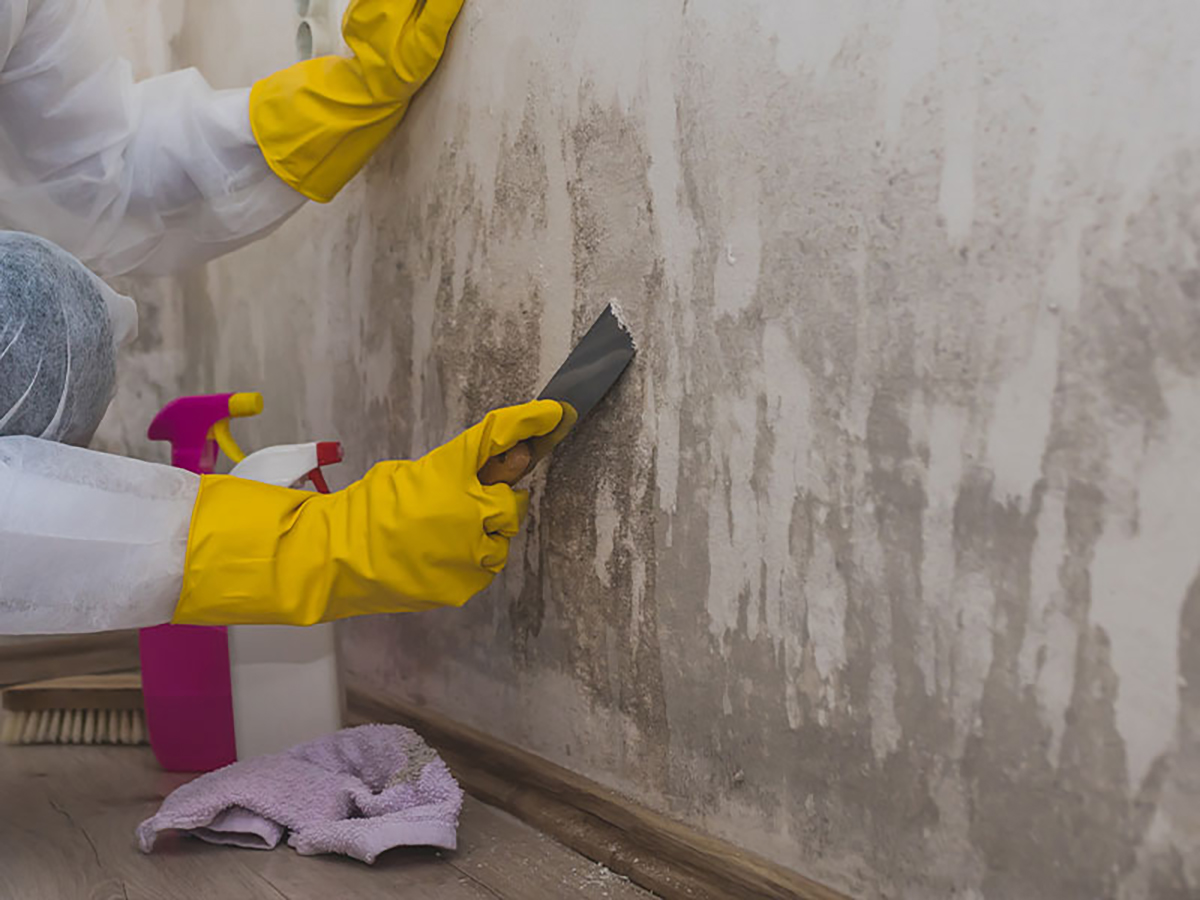
Safe Mold Removal
Our technicians follow established protocols for safe mold removal, using appropriate personal protective equipment and methods matched to the extent of contamination. Affected materials are removed or treated according to IICRC S520 standards, ensuring complete elimination of mold growth.
HEPA Vacuuming & Cleaning
Following removal of contaminated materials, all surfaces within the remediation area receive HEPA vacuuming and antimicrobial cleaning. This eliminates remaining mold spores and prevents recurrence. We address both visible and hidden areas where spores may have settled.
Moisture Source Identification
Effective mold remediation requires addressing the moisture that supports growth. We identify and document water sources including leaks, condensation, high humidity, or building envelope failures. This information guides both immediate remediation and long-term prevention strategies.
Prevention Recommendations
Following remediation, we provide detailed recommendations for preventing future mold growth. This may include humidity control strategies, ventilation improvements, building envelope repairs, or ongoing moisture monitoring. Our goal is lasting resolution, not just temporary symptom treatment.
Benefits of Mold Remediation
Protects Occupant Health
Mold exposure can cause allergic reactions, respiratory issues, and other health problems. For sensitive individuals including those with asthma or compromised immune systems, mold can trigger serious symptoms. Professional remediation eliminates these health hazards and creates safer indoor environments for employees and visitors.
Prevents Structural Damage
Mold growth indicates moisture problems that can cause wood rot, drywall deterioration, and structural damage if unaddressed. Active mold also degrades materials it grows on. Prompt remediation stops this damage progression, protecting your building investment and avoiding costly repairs.
Improved Indoor Air Quality
Mold releases spores and microbial volatile organic compounds (MVOCs) that degrade indoor air quality and create musty odors. Professional remediation removes these contamination sources. Post-remediation air quality testing can verify successful restoration of healthy conditions.
Liability Risk Reduction
Building owners and employers have a duty to provide safe environments. Documented mold issues that are not addressed can create liability exposure if occupants experience health effects. Professional remediation with proper documentation demonstrates due diligence and reduces legal risks.
Insurance Claim Support
Mold damage is often covered by property insurance when caused by covered perils like water leaks. Professional assessment and remediation documentation support insurance claims. We provide the detailed reports, photos, and scope of work documentation that insurers require to process claims.
Long-Term Problem Resolution
Effective mold remediation addresses both the visible growth and underlying moisture issues that caused it. This comprehensive approach prevents recurrence and provides lasting results rather than temporary fixes. Our prevention recommendations help maintain healthy conditions going forward.
Our Mold Remediation Process
Initial Assessment & Inspection
Our certified technician conducts a thorough inspection to identify visible mold, moisture sources, and potential hidden growth. We document findings with photos and measurements. Air quality testing may be recommended for suspected hidden mold or health complaints. This assessment determines remediation scope and approach.
Containment Setup
Before remediation begins, we establish containment barriers using plastic sheeting to isolate affected areas from occupied spaces. HEPA air filtration devices create negative air pressure within containment, preventing spore dispersal during removal activities. Occupants are protected from exposure during the remediation process.
Mold Removal & Material Disposal
Technicians wearing appropriate personal protective equipment remove mold-contaminated materials according to established protocols. Porous materials with significant mold growth are typically removed and properly bagged for disposal. Non-porous surfaces are cleaned and treated. All removal follows safety standards to protect workers and prevent cross-contamination.
HEPA Cleaning & Treatment
Following removal, all surfaces within containment receive thorough HEPA vacuuming to capture remaining spores. Antimicrobial treatments are applied to inhibit future growth. This detailed cleaning ensures complete elimination of mold contamination and prepares the space for reconstruction or return to use.
Moisture Problem Resolution
We work with building owners to identify and address moisture sources that supported mold growth. This may involve plumbing repairs, roof repairs, HVAC adjustments, or dehumidification. Resolving moisture issues is essential for preventing mold recurrence and is integrated into our remediation approach.
Clearance Testing & Documentation
Following remediation, visual inspection confirms complete removal of visible mold. Air sampling or surface sampling may be conducted by third-party professionals to verify successful remediation. Comprehensive documentation including before/after photos, work performed, and moisture source findings is provided for your records.
Understanding Mold Biology and Growth Requirements
Health Effects Associated with Indoor Mold Exposure
Mold Remediation Standards and Best Practices
Common Moisture Sources and Mold Prevention Strategies
Frequently Asked Questions
How do I know if I have a mold problem in my building?
Common signs include visible mold growth (appearing as spots or discoloration), musty odors, water stains, recent water damage, or health complaints from occupants including allergy symptoms, respiratory issues, or headaches that improve when away from the building. If you suspect mold but don't see it, hidden growth may exist in walls, ceilings, or HVAC systems. We can conduct professional assessments to confirm mold presence and identify sources.
Is all mold dangerous, or are some types harmless?
While some mold types produce mycotoxins that can cause health effects, all mold growth indicates a moisture problem that should be addressed. Even molds considered less toxic can trigger allergic reactions and respiratory symptoms in sensitive individuals. Additionally, visible mold damages materials and indicates conditions that could support more problematic growth. Our approach is to address all mold contamination as a building health issue requiring proper remediation.
Can I clean mold myself with bleach?
DIY mold cleanup is not recommended for areas larger than approximately 10 square feet (about a 3x3 foot patch). Bleach is generally not effective for porous materials and can actually worsen the problem by adding moisture. Professional remediation ensures proper containment, complete removal, and safe disposal while protecting workers and building occupants from exposure. For commercial properties, professional service also provides documentation that may be needed for insurance, liability protection, or regulatory compliance.
How long does mold remediation take?
Duration depends on the extent of contamination, materials affected, and moisture source complexity. Small, contained areas may be remediated in 1-3 days. Larger commercial projects involving multiple rooms or HVAC systems may require 1-2 weeks or longer. We provide time estimates based on our assessment. The process should not be rushed - thorough remediation prevents recurrence and protects occupant health.
Will mold come back after remediation?
Mold will not recur if the moisture source that supported growth is permanently resolved. Our remediation includes moisture source identification and recommendations for addressing these issues. If underlying moisture problems remain unresolved, mold can return regardless of how thorough the initial remediation. This is why we emphasize comprehensive solutions that address both the mold and its cause.
Is mold remediation covered by insurance?
Coverage depends on your policy and the cause of mold. Mold resulting from sudden, accidental water damage (burst pipes, storm damage) is often covered. Mold from long-term maintenance issues or humidity may not be covered. We provide documentation that supports insurance claims when coverage applies. We recommend contacting your insurance provider promptly when mold is discovered to understand your coverage and requirements.
Related Services
Tile & Grout
Deep cleaning and restoration for commercial tile floors, walls, and grout lines.
Warehouse Cleaning
Industrial cleaning for warehouses including dust removal and debris cleanup.
Post-Construction Cleanup
Complete cleaning after construction, renovation, and remodeling projects.
Restroom Sanitation
Deep cleaning and disinfection services for commercial restrooms and washrooms.
Ready to Experience the Difference?
Contact us today for a free consultation and customized quote for mold remediation.